First Day:
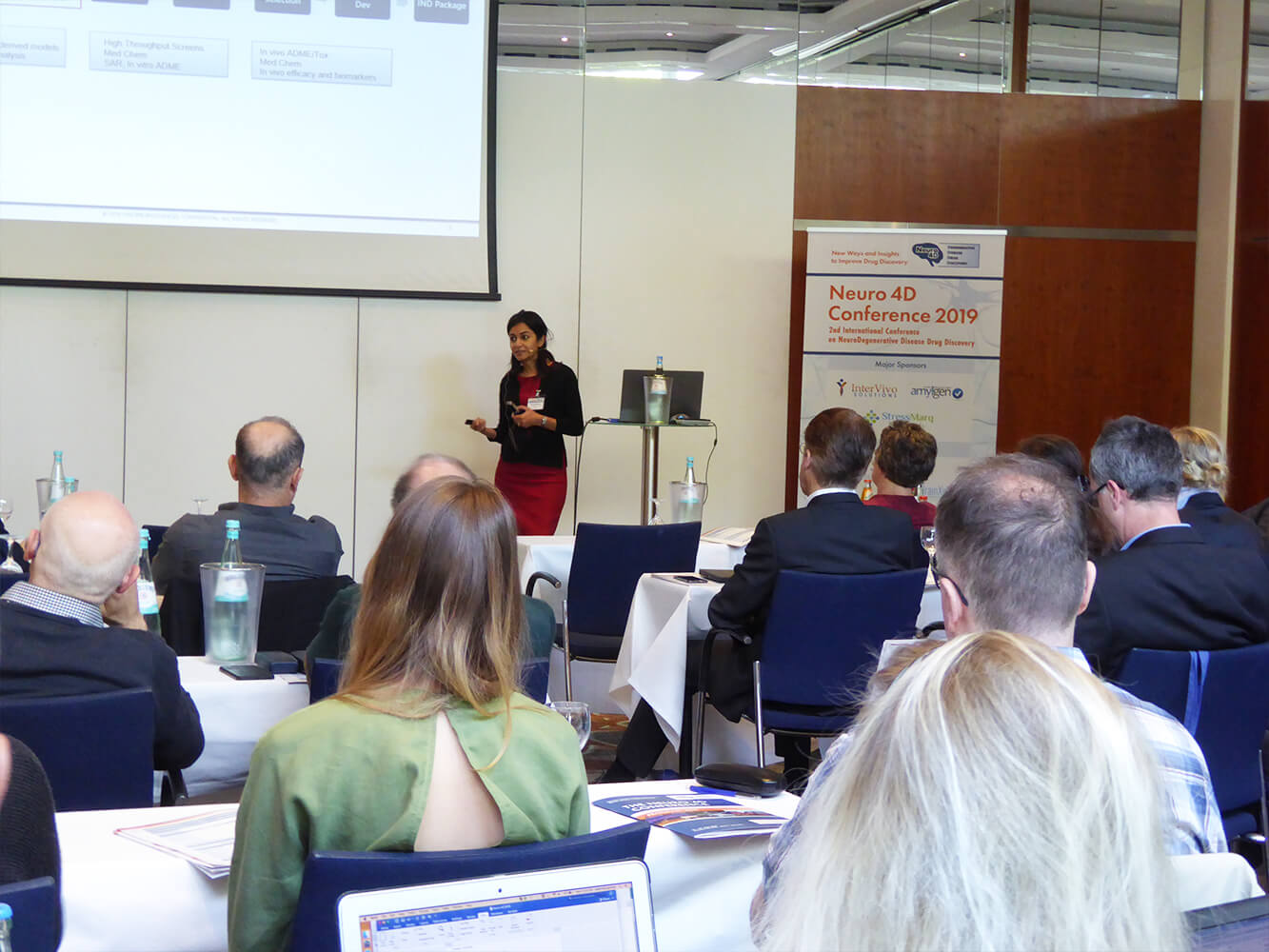
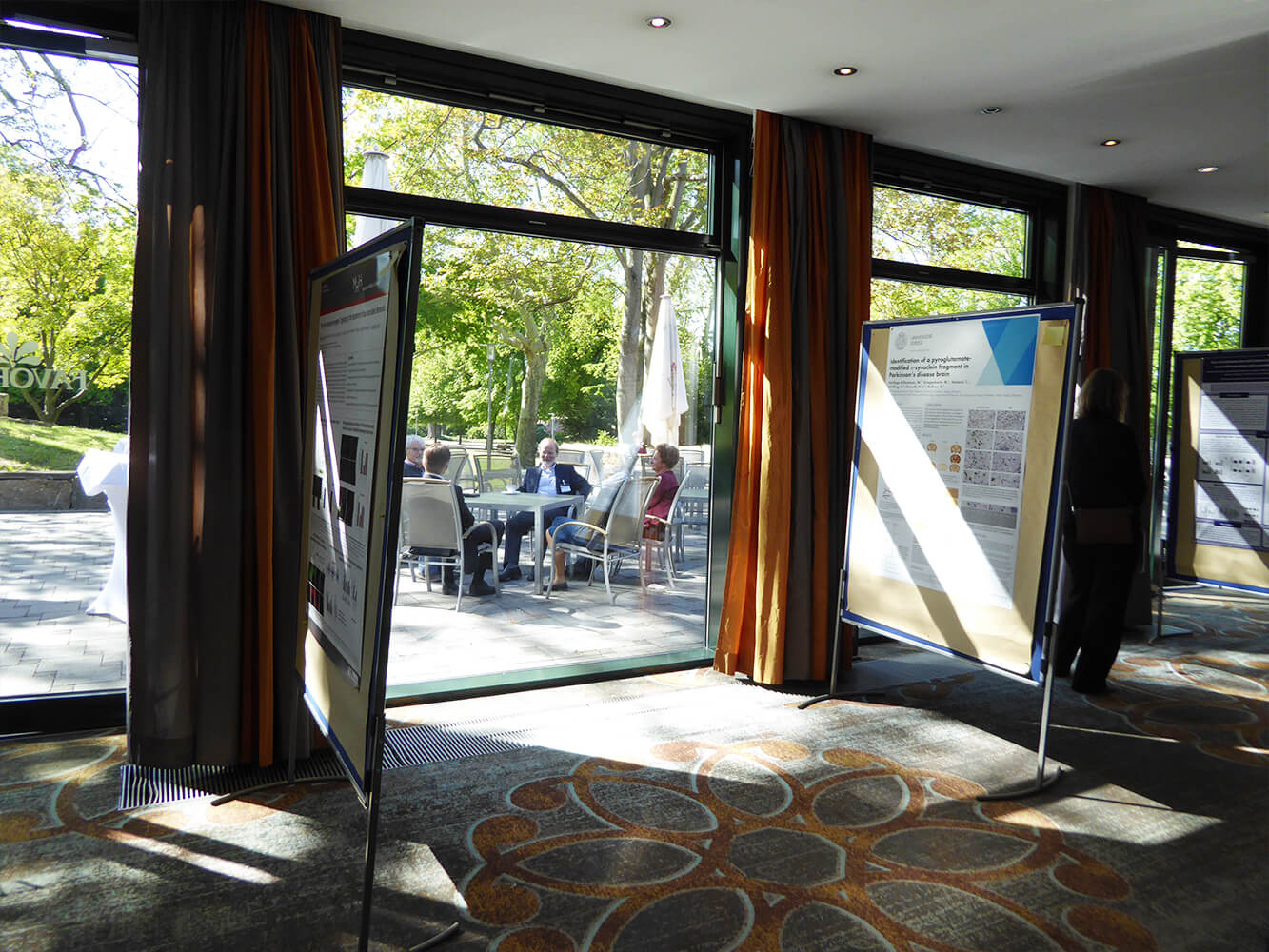
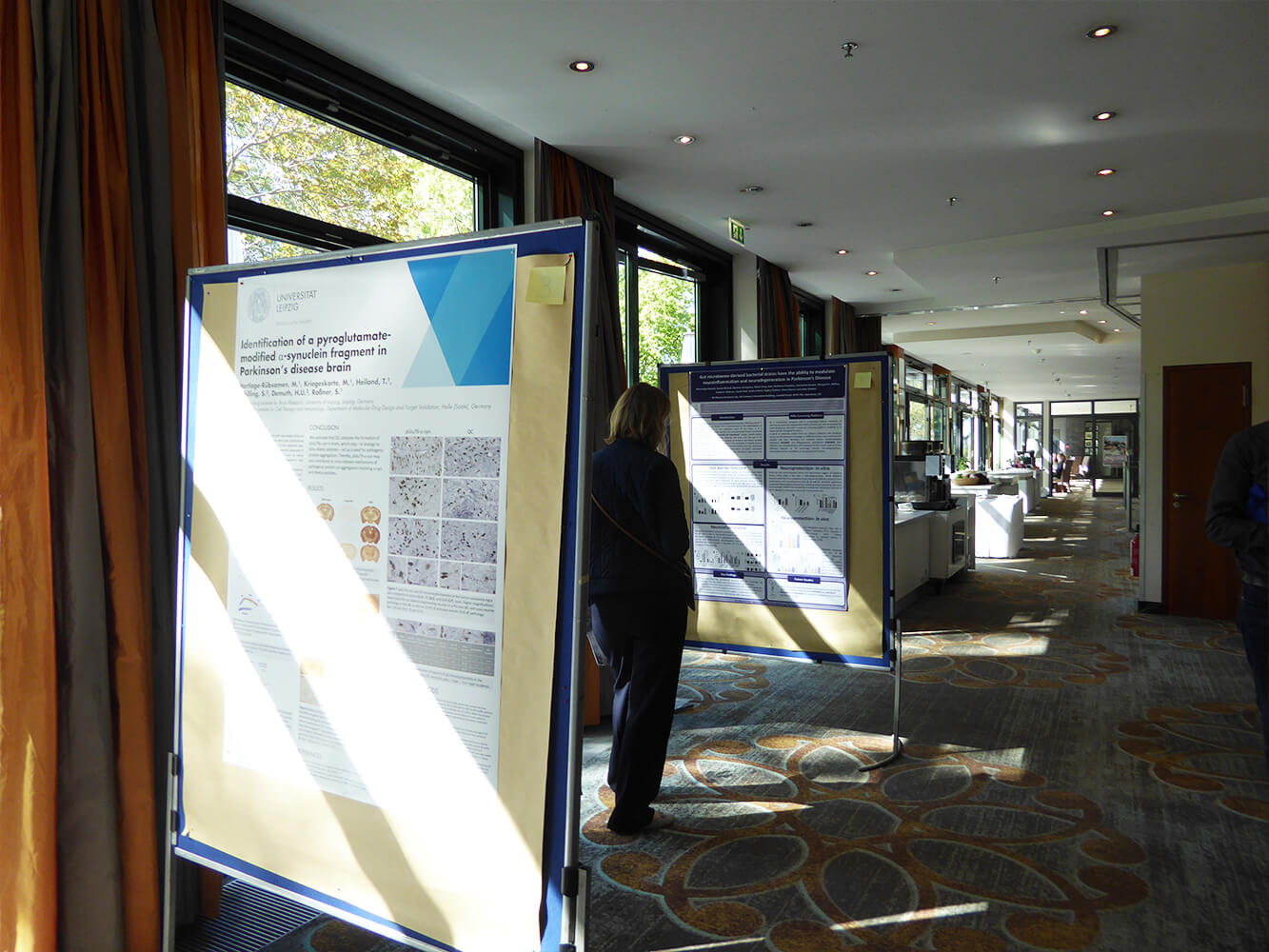
The conference started with an overview of last year’s developments in the clinical neurodegenerative drug development and investor sentiments towards the field, given by the organizer Andreas Köpke. Andrew West, now at Duke University, was the chairman of the PD sessions and introduced the different targets in Parkinson’s disease (PD) and especially LRRK2 as a mediator of PD susceptibility. He explained LRRK2 function and the expected efficacy of LRRK2 kinase inhibitors, including biomarkers for patient selection and target engagement and a discussion of LRRK2 inhibitor safety. Darren Moore changed his presentation to ‘Animal Models and Mechanisms of VPS35 in Parkinson’s Disease’: VPS35 mutations cause late-onset, autosomal dominant PD, a rare mutation that gives rise to 0.1 to 1% of familial PD cases, which are less than 5% of all PD cases. However, VPS35 induces similar pathology as idiopathic PD, where the gene is not mutated. The D620N mutation in VPS35 increased LRRK2 activity in mouse tissues and induced neurodegeneration, most consistent with either a toxic gain-of-function or a partial dominant-negative mechanism (or both). Steffen Rossner introduced the first pyro-glutamine peptide found for α-synuclein, which, similar to the situation in amyloid-β, might be crucial for the formation of toxic α-synuclein aggregates. Finally Walter Schulz-Schaeffer showed evidence for synaptic loss, rather than neuronal loss, in PD patient post mortem material, which is detected long before and independent of Lewi body formation. His findings offered another strong indication for soluble small toxic aggregates rather than the importance of macroscopic Lewi bodies. All three presentations spurred intense discussions and the presentation of Schulz-Schaeffer was named four times as a highlight of the 2019 conference in the feedback forms.
In the second PD session James Koprich explained the PD disease models at Atuka Inc.: While classical toxin induced models have a great track record of being translational for symptomatic disease drugs, the new α-synuclein induced models (based either on viral overexpression, or introduction by sonicated preformed fibrils) are thought to be a mayor support for novel disease modifying treatments. Tiago Outeiro outlined the detrimental effects of α-synuclein oligomers on LTP, a model of synaptic plasticity in the hippocampus, and the underlying molecular mechanism probably involving the prion protein PrPc, via mGluR5, the Fyn protein, and the NMDA receptor, increasing cellular calcium levels. He deduced some concepts to prevent pathways of cognitive decline and showed first data how to revert the α-synuclein mediated effect. Finally Spring Behrouz showed some examples on how artificial intelligence can support target identification and drug discovery, highlighting mitochondrial targets and their malfunctioning.
After lunch, Chairman Ulrich Demuth gave the introductory presentation to the Alzheimer’s disease session that was centered on processing and post translational modifications of amyloid-β. He summarized all observed post translational modifications and discussed the influence of these modifications on protein aggregation and activation of neuroinflammation, focusing especially on pyroglutamate and QC activity. A QC inhibitor has been tested in a first clinical trial, in which safety and symptomatic improvements were detected, giving hope for further clinical efficacy. He then focused on β-secretase activity and proved that early ideas of a single processing enzyme were wrong and other processing peptides are indeed observed. Processing enzyme Meprin-β was suggested as a potentially interesting target for Alzheimer’s disease. Jochen Walter explained the influence of various post translational modifications of Aβ on the aggregation into toxic oligomers and fibrils. He suggested that phosphorylated Aβ and other modified variants might be critical for the pathogenesis in AD and should be explored for therapeutic intervention and disease diagnosis. Stefan Schilling presented his results of an isoaspartate-Aβ specific antibody and its capability to attenuate AD-like pathology in a transgenic mouse model. A humanized tau mouse was presented by Holger Cynis to study tau biology using human WT tau (without overexpression). A first cross of this mouse model into the 4xFAD AD model was shown to have some gender dependent effects on long term potentiation (LTP) and behavior.
In the second hour of the AD focused session Bart Roucourt introduced reMYNDS tauopathy models for drug evaluation. The advantages and limitations of all presented tau models was discussed during the panel discussion. Dieter Willbold explained the anti prionic activities of optimized D-peptide PRI-002, representing Priavoid. This completely new mode of action is apparently able to unfold misfolded Aβ oligomers, in vitro, in cells and in animal models, reducing the detected symptoms in the various AD disease models. He showed that D-peptides are protease resistant and stable, orally bioavailable, accessing the brain, and elicit their activity by a catalytic process requiring very little compound in the brain to clear Aβ aggregates. He postulated that PRI-002 stabilizes Aβ monomers in their native intrinsically disordered conformation, ultimately leading to the destruction of toxic protein aggregates in disease. Finally François Roman explained the beneficial symptomatic improvements of igmesine, a sigma agonist initially developed for depression, for AD related neurodegeneration as documented for Amylgen’s AD rat model. The audience was quite excited about these two novel therapeutic options and many questions regarding the expected clinical benefits and the utility of the different AD models were discussed.
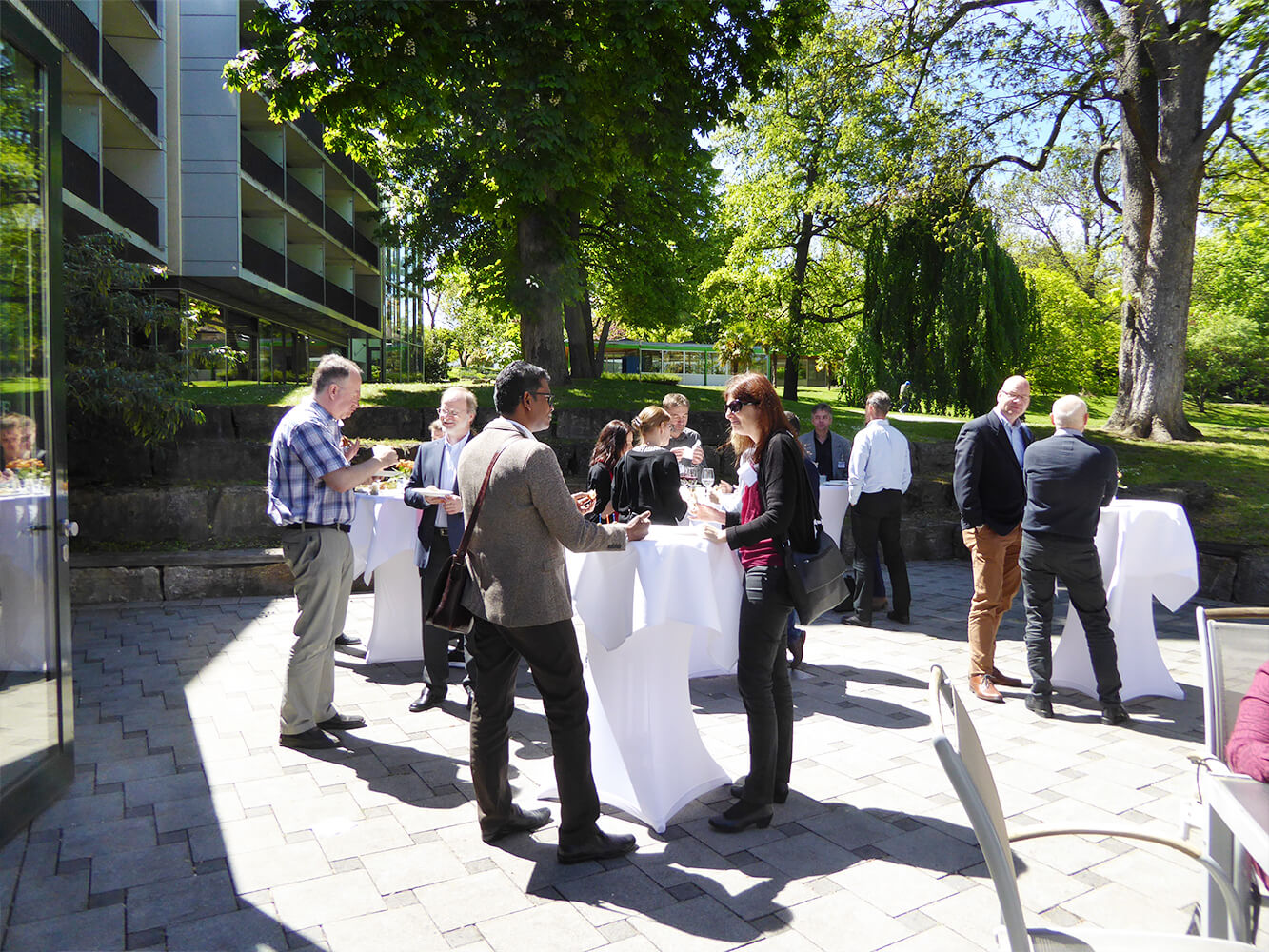
At the end of Day 1 all delegates relaxed during the wine tasting of six grape varieties of winemaker Sommer. His vinery makes BIO certified wines in Siefersheim, Rheinhessen, and his wife expertly introduced the different makes and tastes to the grateful crowd. Especially the Sauvignon Blanc 2018 was extremely well received, but also the Riesling and Pinot Gris were much appreciated. After the wine tasting we went to the hotel dinner and many fruitful introductions and discussions before everybody retired for the night at the hotel.
Second Day:
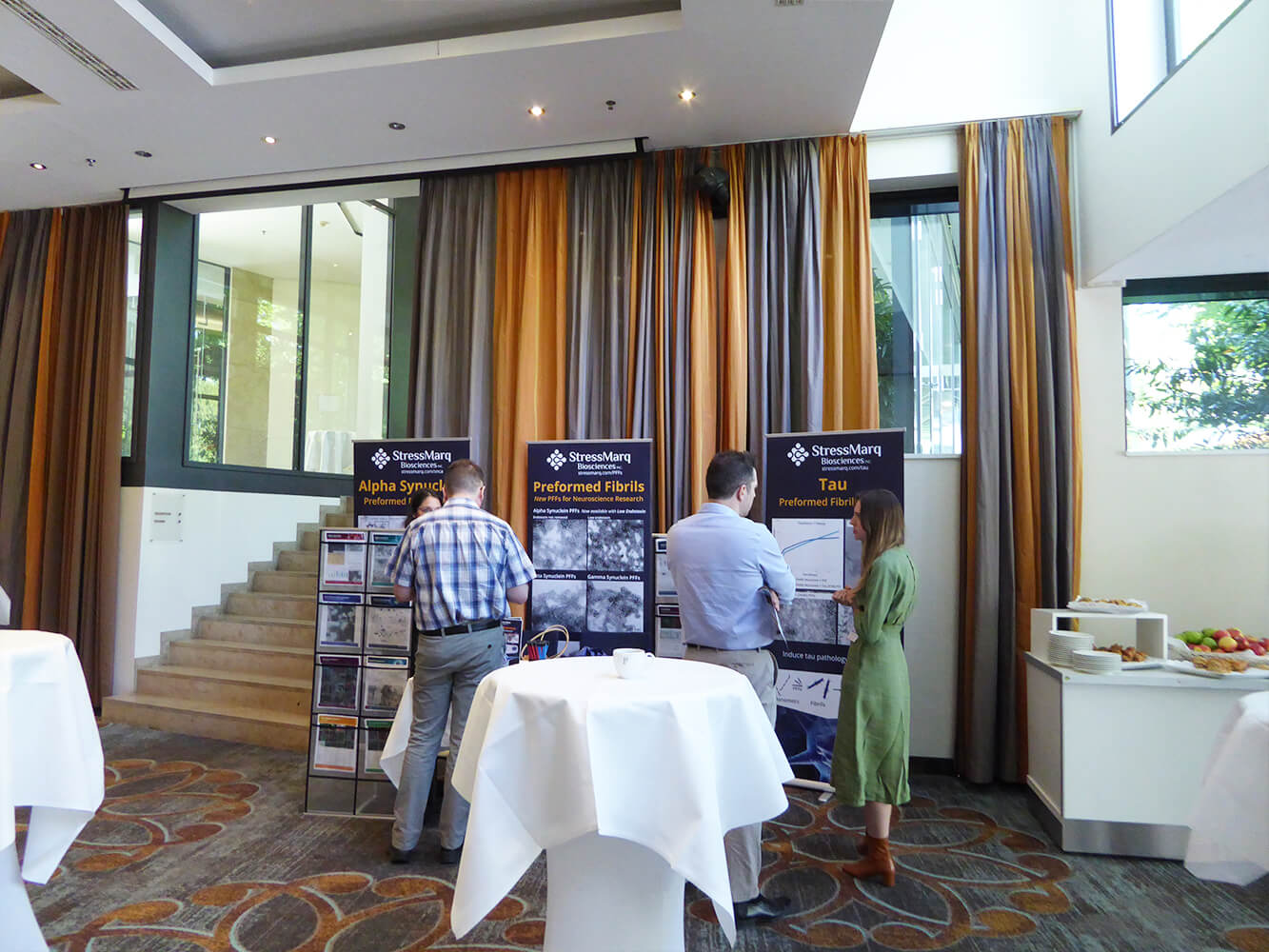
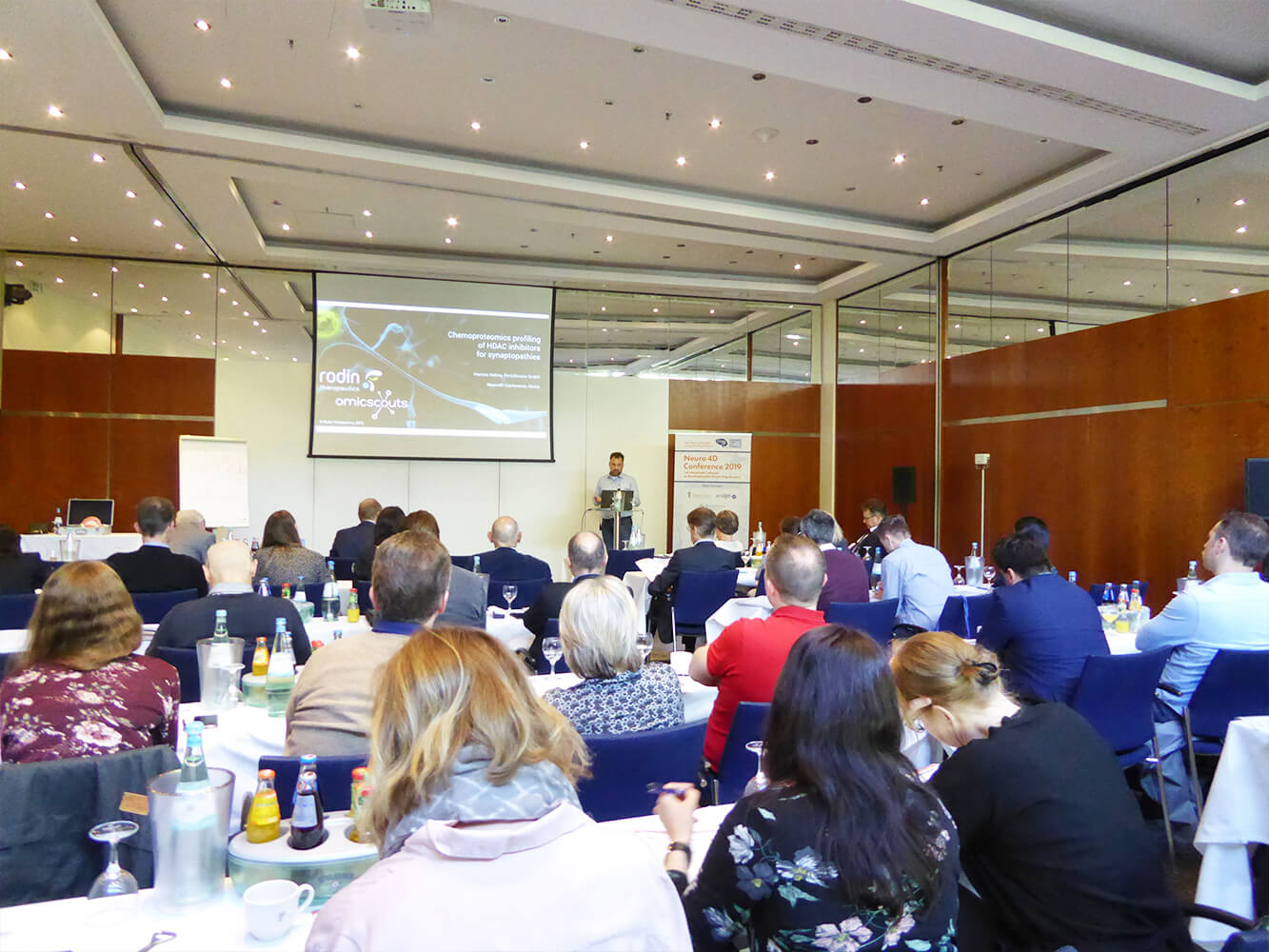
The second day started with the introduction of Chairman Rakez Kayed about the prion-like spreading of misfolded protein aggregates in neurodegenerative diseases. Rakez emphasized that Aβ and tau toxicity is not caused by the naturally folded proteins, nor the macroscopic aggregates discovered in diseased patients, but by soluble misfolded protein aggregates that have prion-like properties. Such properties have been first discovered for the prion protein by Stanley B. Prusiner (for which he received the Nobel Prize). Rakez showed that the tau and Aβ aggregates have the typical replication properties of prion proteins, which work in WT animals introducing pathology and symptoms. Soluble oligomers do not necessarily develop into fibrils and are much more toxic than inert fibrillary forms. The cross seeding capability of tau oligomers inducing α-synuclein misfolding was discussed in the light of inducing disease symptoms. Rakez suggested that brain derived tau oligomeric strains can induce multiple distinct phenotypes. The implications for the handling of biological specimen of diseased patients and animals and especially prion preparations was discussed. Marcus Fändrich detailed similar mechanisms in systemic amyloidosis and their physicochemical basis that result in disease. He showed the 3D-structure of the amyloid fibrils and explained the structural rotational switch in the natural protein that leads to this aggregation mechanism. Luckily there seems to be a species barrier that prevents disease induction by food protein. Antje Willuweit introduced the serendipitous finding of the anti neuroinflammatory activity of d-enantiomeric peptide PRI003, identified in a screen against Aβ. PRI003 showed significant reduction of neuroinflammation in brain and inflammatory cytokines in plasma, which could be very beneficial for ALS. However, the MoA is currently not understood. Presentations of Stressmarq Inc. of their commercially available pathogenic α-synuclein fibril preparations and OmicScouts’s support for Rodin’s development of truly specific HDAC inhibitors for AD by chemical proteomics gave interesting insights into new technical possibilities supporting drug discovery for neurodegenerative diseases. Emer Leahy explained Psychogenic’s automated rodent behavioral investigation platform and its utility to discover reliable symptomatic readouts for new disease models and new compounds.
Georg Terstappen chaired the second session of the second day and introduced OxStem’s approach to stimulate endogenous human stem cells in patients with optimized drugs to trigger neuroregeneration in neurodegenerative diseases. First compounds were identified by OxStem and they are now trying to deconvolution the drug targets and MoA for further optimization strategies. Joseph Araujo discussed the recent call for the omission of animal models and earlier human trials in neurodegenerative drug discovery after multiple AD drug candidates proved ineffective in clinical Phase II and III studies, although results in animal models has apparently shown efficacy. Joseph explained that unfortunately many animal studies are not performed with the necessary animal numbers for statistical significance, nor the required rigidity of experimental procedure, leading to erogenous results on which further development decisions are based. He emphasized that neurodegenerative diseases result in cognitive decline, which can be well quantified by very similar methods in patients and model animals, and that well planned animal studies have shown to be indicative of human clinical trial outcomes.
Following a relaxed lunch with intense discussions Fred van Leeuwen explained how somatic mutations in Ubiquitin B transcripts can cripple protein quality control and cause neurodegenerative disease, a mechanism that explains disease onset late in life.
Another highlight of the conference was the comprehensive clinical overview of AD programs and mechanisms by Oliver Peters. This was much appreciated by the audience of generally preclinical experts, as it gave them a better overview of what had happened in the clinic and why so many clinical AD programs failed. It was also discussed what will likely be expected of a clinically successful AD drug.
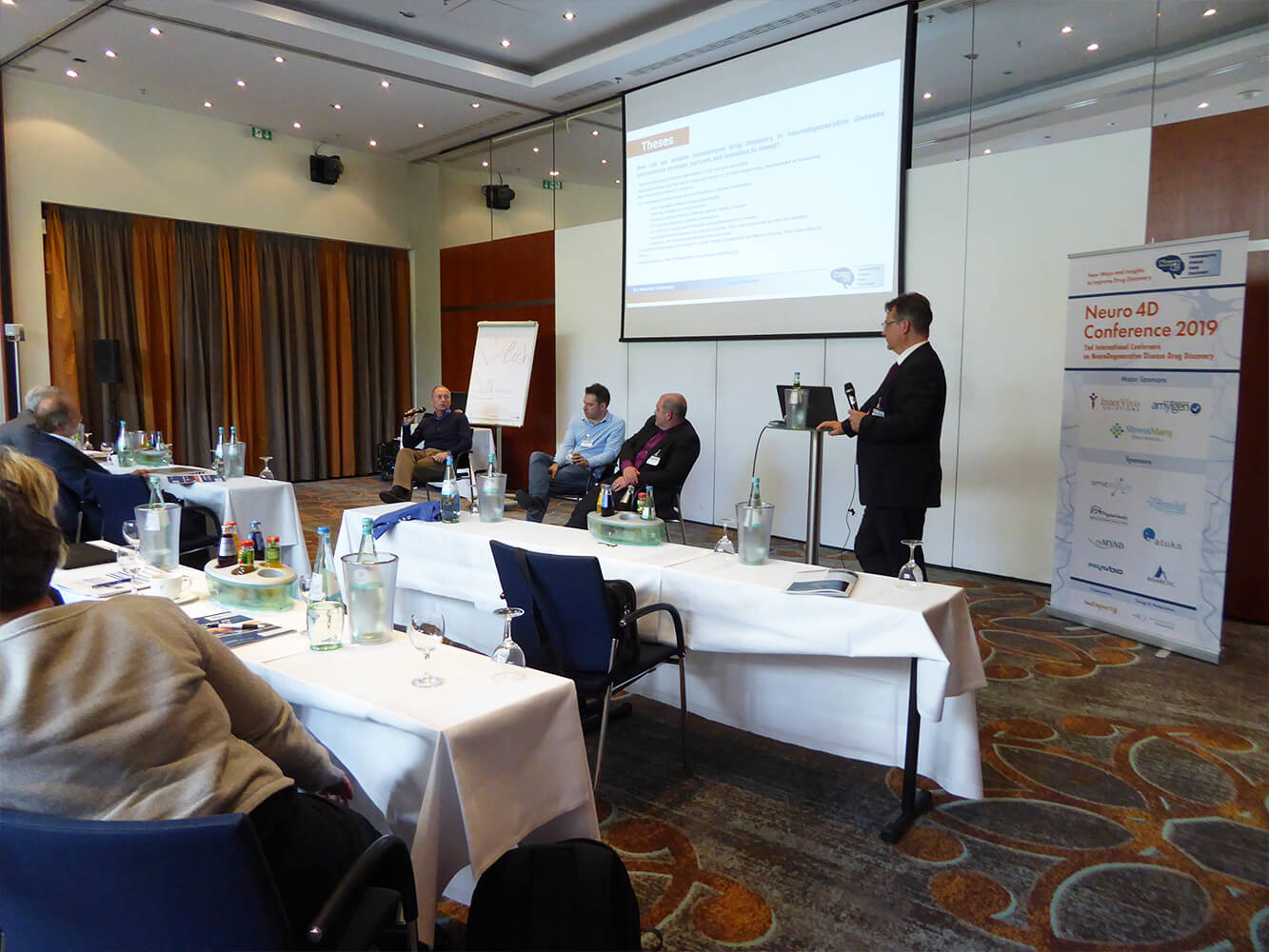
Finally, the big panel discussion with Ulrich Demuth, Joseph Araujo, Georg Terstappen and Andrew West highlighted some important points in the design of convincing animal studies and the importance of accepting and incorporating the new scientific insights into novel treatment strategies. Convincing preclinical packages will incorporate comprehensive MoA explanations, substantiated by in vitro and in vivo studies in relevant models, which need to be based on the recent findings of the important toxic protein folding variants and their induced pathology.